
How to Fix AC Cooling Issues: A Friendly Guide to Troubleshooting Your Air Conditioner
When your air conditioner stops cooling properly, it can feel like the heat is closing in on you. I’ve been there, and I know how frustrating it is when your home or office doesn’t feel comfortable anymore. But don’t worry - fixing AC cooling issues is often easier than you think. With a little guidance, you can troubleshoot common problems and get your system back to working efficiently.
In this post, I’ll walk you through practical steps to identify and solve AC cooling problems. Whether you’re dealing with a stubborn unit that won’t cool or just want to understand how to keep your system in top shape, this guide is for you.
Understanding the Basics to Fix AC Cooling Issues
Before diving into troubleshooting, it helps to understand how your air conditioner works. Your AC system cools your space by removing heat from inside and releasing it outside. It uses refrigerant, a compressor, coils, and fans to do this job.
When something goes wrong, it usually affects one of these parts:
Refrigerant levels: Low refrigerant means less cooling power.
Dirty filters or coils: Block airflow and reduce efficiency.
Electrical issues: Faulty wiring or components can stop the system.
Thermostat problems: Incorrect settings or malfunctions affect cooling.
Knowing this helps you narrow down what might be causing your AC to underperform.
Simple Checks You Can Do Right Now
Start with these quick checks before calling a professional:
Check the thermostat settings: Make sure it’s set to “cool” and the temperature is lower than the room temperature.
Inspect the air filter: A clogged filter blocks airflow. Replace it if it looks dirty.
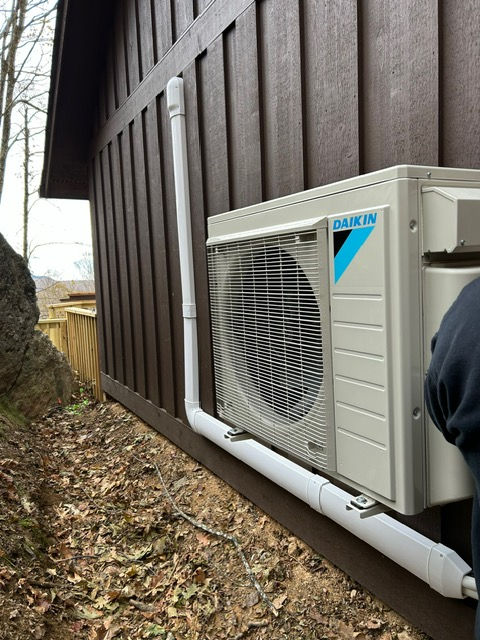
Look at the outdoor unit: Clear away leaves, dirt, or debris that might be blocking airflow.
Listen for unusual noises: Buzzing, rattling, or clicking sounds can indicate mechanical or electrical issues.
These small steps often solve minor problems and improve cooling right away.
How to Fix AC Cooling Issues: Step-by-Step Troubleshooting
If your AC still isn’t cooling well after the basic checks, it’s time to dig a little deeper. Here’s a step-by-step approach to troubleshoot your system:
1. Check the Air Filter and Vents
Dirty filters and blocked vents are common culprits. Replace filters every 1-3 months depending on use. Also, make sure all vents are open and unobstructed to allow proper airflow.
2. Inspect the Condenser Coils
The condenser coils in the outdoor unit can get dirty or covered with grime. This reduces heat transfer and cooling efficiency. Gently clean the coils with a soft brush or garden hose (turn off power first).
3. Examine Refrigerant Levels
Low refrigerant means your AC can’t cool properly. Unfortunately, checking and refilling refrigerant requires a licensed technician. But if you notice ice buildup on coils or hissing sounds, it’s a sign to call a pro.
4. Test the Thermostat
Sometimes the thermostat is the problem. Try replacing batteries or upgrading to a programmable thermostat for better control. Make sure it’s installed away from heat sources or direct sunlight.
5. Look for Electrical Issues
Tripped breakers, blown fuses, or loose wiring can stop your AC from running. Check your circuit breaker panel and reset if needed. If you suspect wiring problems, it’s safer to call an expert.
6. Clean the Drain Line
A clogged condensate drain line can cause water leaks and affect cooling. Flush the drain with a mixture of bleach and water to clear blockages.
By following these steps, you can often identify the root cause of your AC cooling issues and decide if you can fix it yourself or need professional help.
When to Call a Professional for AC Cooling Problems
While many AC issues can be fixed with simple maintenance, some problems require professional expertise. Here are signs it’s time to call an HVAC technician:
Your AC won’t turn on at all.
You smell burning or electrical odors.
There’s water pooling around the indoor unit.
The system cycles on and off frequently.
You notice ice buildup on coils.
You suspect refrigerant leaks or compressor failure.
Professionals have the tools and training to safely diagnose and repair complex issues. Plus, they can perform routine maintenance to keep your system running smoothly year-round.
If you want to learn more about ac not cooling troubleshooting, this resource offers detailed advice and tips.
Keeping Your AC Running Smoothly All Year Long
Prevention is the best way to avoid AC cooling problems. Here are some tips to keep your system in great shape:
Schedule regular maintenance: Have a professional inspect and tune up your AC at least once a year.
Change filters regularly: This keeps airflow strong and protects your system.
Keep outdoor unit clear: Trim plants and remove debris around the condenser.
Use a programmable thermostat: Save energy and maintain consistent temperatures.
Seal your home: Proper insulation and sealing reduce the cooling load on your AC.
By following these simple steps, you’ll enjoy a comfortable, cool space without unexpected breakdowns.
Fixing your AC cooling issues doesn’t have to be stressful. With a little know-how and some routine care, you can keep your air conditioner running efficiently and enjoy a cool, comfortable environment all year long. If you ever feel stuck, don’t hesitate to reach out to a trusted HVAC professional for help. Your comfort is worth it!


Comments