
Boost Your Indoor Air Quality Today: Improving Indoor Air Solutions
Breathing clean air inside your home or office is something we often take for granted. Yet, the quality of the air we breathe indoors can significantly affect our health, comfort, and productivity. Whether you’re settling into a new home, managing a rental property, or running a commercial space, improving indoor air solutions is essential. Today, I want to share practical, easy-to-follow tips that will help you boost your indoor air quality and create a healthier environment for everyone.
Why Improving Indoor Air Solutions Matters
Indoor air can be up to five times more polluted than outdoor air. This might surprise you, but it’s true. Pollutants like dust, pet dander, mold spores, and volatile organic compounds (VOCs) from cleaning products or building materials can accumulate inside. Over time, these contaminants can cause headaches, allergies, respiratory issues, and even impact your sleep quality.
Improving indoor air solutions is not just about comfort; it’s about protecting your health and well-being. Plus, better air quality can extend the life of your HVAC system and reduce energy costs. Think of it as giving your home or office a breath of fresh air - literally.

Simple Steps for Improving Indoor Air Solutions
You don’t need to overhaul your entire space to make a difference. Small, consistent actions can lead to big improvements. Here are some practical steps you can take right now:
Ventilate regularly: Open windows and doors when weather permits to let fresh air circulate. Even a few minutes a day can help reduce indoor pollutants.
Keep humidity in check: Use a dehumidifier or air conditioner to maintain indoor humidity between 30% and 50%. This discourages mold growth and dust mites.
Clean smartly: Vacuum with a HEPA filter, dust surfaces with a damp cloth, and avoid harsh chemical cleaners. Opt for natural or non-toxic cleaning products.
Control sources of pollution: Ban smoking indoors, store chemicals safely, and avoid synthetic fragrances.
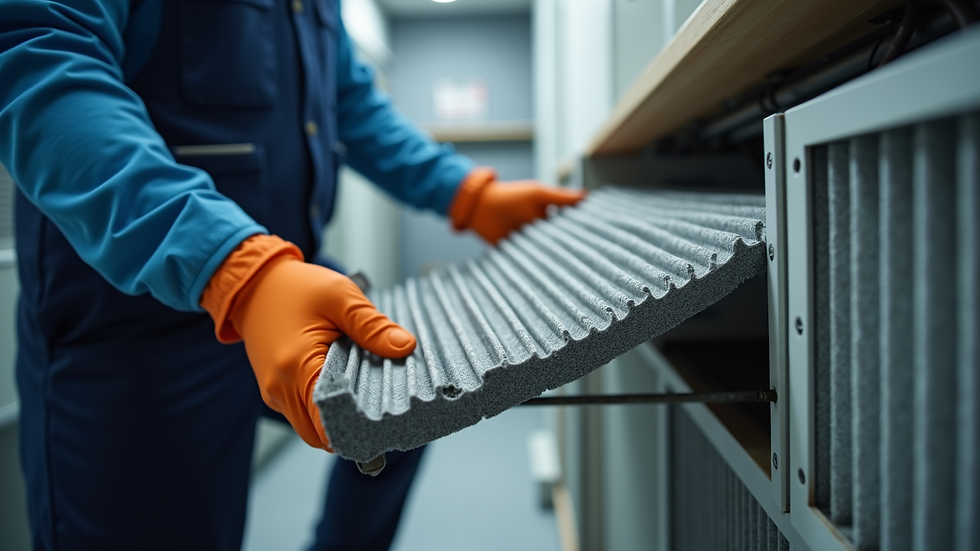
Maintain your HVAC system: Change filters regularly and schedule professional inspections to ensure your system is running efficiently.
These steps are easy to implement and can make a noticeable difference in your indoor air quality.
What is the Most Effective Way to Improve Indoor Air Quality?
If I had to pick one most effective way to improve indoor air quality, it would be upgrading your HVAC system’s filtration. Your heating, ventilation, and air conditioning system plays a central role in circulating air throughout your space. By installing high-efficiency filters, you can trap more airborne particles like pollen, dust, and pet dander.
Here’s why this matters:
Better filtration means cleaner air: High-quality filters capture smaller particles that standard filters miss.
Improved system performance: Clean filters help your HVAC system run smoothly, reducing wear and tear.
Energy savings: Efficient filters can lower energy consumption by allowing air to flow freely.
Don’t forget to pair this with regular maintenance and professional servicing. A well-maintained HVAC system is your best ally in keeping indoor air fresh and healthy.
How to Improve Indoor Air Quality with Everyday Habits
Beyond equipment and ventilation, your daily habits can have a big impact. Here are some easy lifestyle changes that support cleaner indoor air:
Bring in houseplants: Certain plants like spider plants, snake plants, and peace lilies naturally filter toxins from the air.
Limit carpet and upholstery: These can trap dust and allergens. If you have them, vacuum often and consider steam cleaning.
Use exhaust fans: Run kitchen and bathroom fans during and after cooking or showering to remove moisture and odors.
Avoid clutter: Clutter collects dust and makes cleaning harder. Keep surfaces tidy and organized.
Choose low-VOC products: When painting or renovating, select paints, adhesives, and finishes labeled low-VOC or no-VOC.
If you want to dive deeper into how to improve indoor air quality, there are many resources available that offer detailed guidance and tips.
Keeping Your Indoor Air Quality High Year-Round
Indoor air quality isn’t a one-time fix. It requires ongoing attention, especially as seasons change. Here’s how to keep your air fresh throughout the year:
Spring and summer: Open windows more often, use air purifiers, and watch for pollen buildup.
Fall: Clean gutters and vents to prevent mold and dust accumulation.
Winter: Use humidifiers to combat dry air, but monitor humidity to avoid excess moisture.
Regular HVAC maintenance is crucial year-round. Many companies offer after-hour services, which means you can schedule inspections and repairs at your convenience without disrupting your day.
By staying proactive, you’ll enjoy a healthier, more comfortable space no matter the season.
Taking the Next Step for Cleaner Air
Improving indoor air solutions is a journey, not a quick fix. But with the right knowledge and tools, you can create an environment that supports your health and comfort. Start with simple changes like ventilating and cleaning smarter, then consider upgrading your HVAC filtration and scheduling professional maintenance.
Remember, the air you breathe inside matters just as much as the air outside. Taking steps today to boost your indoor air quality will pay off in better health, peace of mind, and a more inviting space for everyone.
If you’re ready to take action or need expert advice on HVAC sales, services, or after-hour support, don’t hesitate to reach out. Clean air is within your reach - let’s make it happen together.


Thanks for sharing such a detailed guide. I found the discussion about the installation process particularly valuable because every mini split installation needs proper planning for placement, airflow, electrical connections, and overall system performance.